
Cold Plunge: What Temperature And How Long?
Before we tackle the specifics of temperature and time, understanding why we subject ourselves to the cold is crucial. The benefits are systemic, impacting everything from your muscles to your mindset.
1. Enhanced Recovery and Reduced Inflammation
This is the most cited and research-backed benefit. Intense physical activity causes micro-tears in muscle fibers, leading to inflammation and soreness (DOMS). Immersion in cold water triggers vasoconstriction—the narrowing of blood vessels. This pushes blood (and inflammatory markers) away from the extremities and toward the core to protect vital organs. Upon exiting, the body undergoes vasodilation, as fresh, oxygen-rich blood floods back into the tissues. This “vascular gymnastics” acts like a pump, flushing out metabolic waste and reducing swelling and pain. A meta-analysis in the Journal of Physiology consistently shows cold water immersion significantly reduces muscle soreness in the 24-96 hours post-exercise.
2. Fortified Mental Resilience and Nervous System Regulation
The initial shock of the cold is a powerful neurological event. It triggers a surge of norepinephrine and adrenaline, sharpening focus. Consciously enduring this discomfort is a form of controlled stress exposure. Over time, this practice trains your nervous system to become more adaptive, building what psychologists call “stress inoculation.” Regular practitioners often report improved mood, reduced anxiety, and a profound sense of calm and mental clarity post-plunge, linked to the release of endorphins.
3. Boosted Metabolism and Immune Function
Emerging research points to fascinating systemic effects. Cold exposure can stimulate brown adipose tissue (BAT), or “good fat,” which burns calories to generate heat, potentially offering a mild metabolic boost. Furthermore, the cold shock induces the production of cold-shock proteins (RBM3), which are believed to support cellular repair and immune system modulation. While more research is needed, regular immersion may contribute to overall immune resilience.
4. Improved Sleep and Circulation
The dramatic temperature shift helps lower your core body temperature, a key signal for initiating sleep. Many find that an evening plunge (a few hours before bed) leads to deeper, more restorative sleep. Additionally, the constant constriction and dilation of blood vessels act as a workout for your circulatory system, potentially improving overall vascular health.
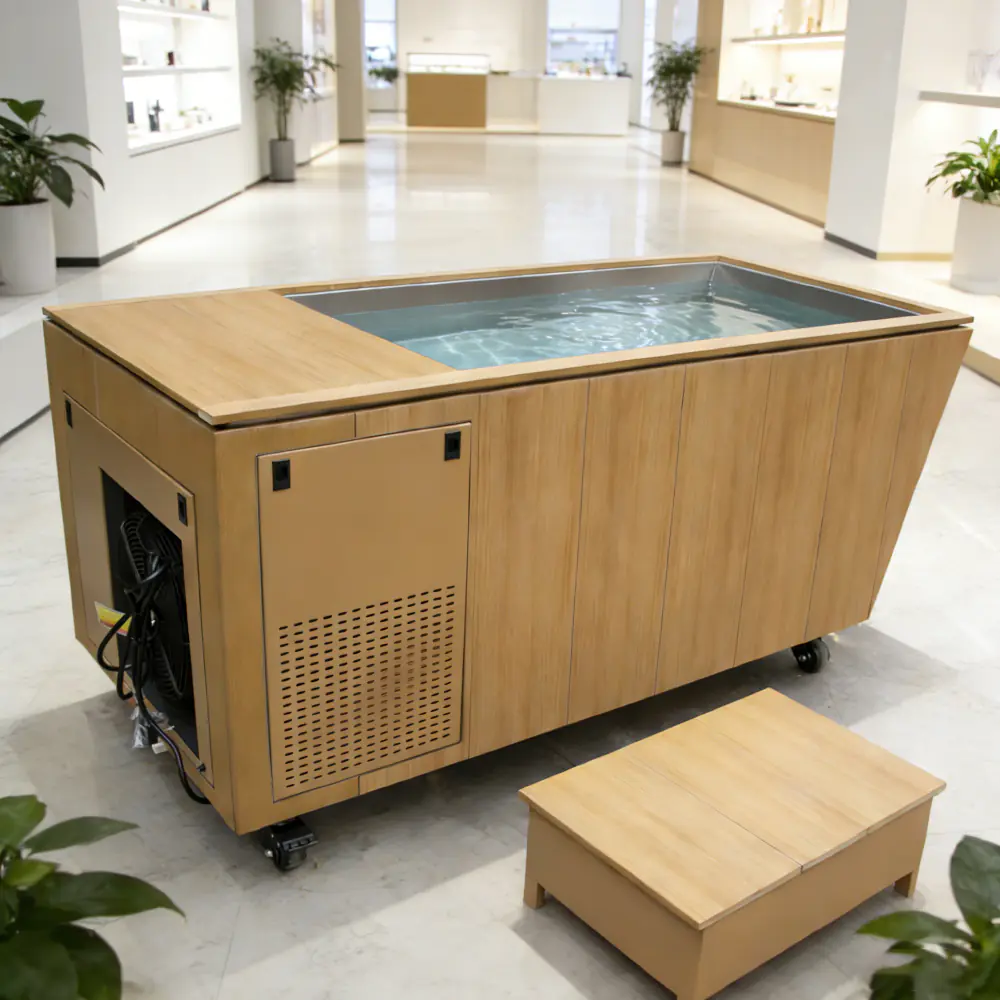
The Goldilocks Zone: Finding Your Ideal Temperature
Not all cold is created equal. Temperature dictates the intensity of the physiological response and should be matched to your goal and experience level.
-
The Cold Plunge Athletic Recovery Zone: 10-15°C (50-59°F)
This is the standard for most athletic recovery protocols. It’s cold enough to provide potent anti-inflammatory effects and reduce muscle soreness significantly, but not so extreme that it risks excessive thermal stress or numbing. Ideal for post-workout recovery for serious athletes. -
The Wellness & Resilience Zone: 7-12°C (45-54°F)
This range offers the “sweet spot” for most wellness enthusiasts seeking mental and physical benefits. It provides a strong enough shock to trigger substantial endorphin release, metabolic activation, and nervous system training. It’s challenging but sustainable for regular practice. -
The Ice Bath / Intense Protocol Zone: Below 7°C (Below 45°F)
Reserved for the experienced. Temperatures at or near freezing (with ice) deliver the most intense hormonal and neurological responses. Sessions here are very short. This zone requires extreme caution, proper acclimatization, and is generally not recommended for beginners or those with cardiovascular concerns.
Crucial Note: Never plunge into water below 4°C (39°F) without expert supervision. The risk of cold water shock, which can cause involuntary gasping and cardiac strain, increases dramatically.
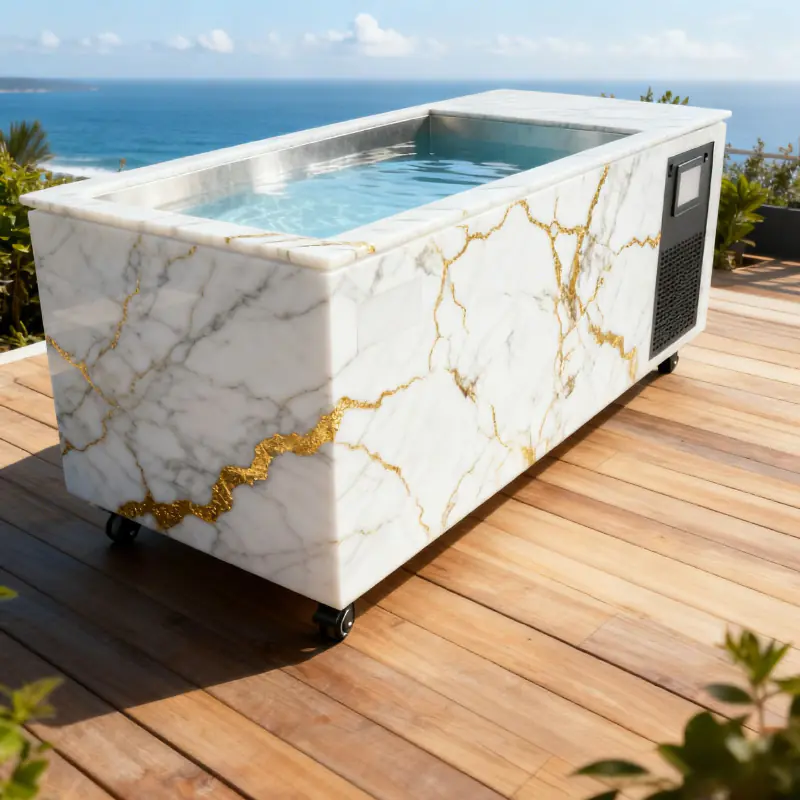
The Duration Equation: How Long is Enough?
Time is the other critical variable. The mantra here is “Listen to your body, but follow the science.” More is not better; in fact, overexposure can be counterproductive and dangerous.
-
The Beginner’s Protocol: 1-3 Minutes
If you’re new to cold plunging, start here. Your goal is simply to acclimate. Focus on controlled breathing through the initial shock. Even 60 seconds at 12-15°C (54-59°F) will yield benefits. Consistency (2-4 times per week) trumps duration at this stage. -
The Effective Dose for Recovery: 3-5 Minutes
For tangible anti-inflammatory and recovery benefits, research suggests 3-5 minutes is sufficient. This allows for full vasoconstriction and the beginning of the beneficial vasodilation process upon exiting. This is the recommended duration for most athletes using the 10-15°C range. -
The Maximum for Wellness Benefits: 5-11 Minutes
To tap deeply into the metabolic, immune, and mental resilience benefits, longer exposure up to 11 minutes total per week is often cited in research (e.g., Dr. Susanna Søberg’s protocol). This can be split across sessions (e.g., 3 minutes, 3 times a week). Staying in beyond 11-15 minutes total weekly offers diminishing returns and significantly increases risks. -
The Intense, Short Shock: 1-2 Minutes
For ice baths below 7°C (45°F), limit your time to 1-2 minutes maximum. The physiological shock is extreme and happens quickly.
Crafting Your Personalized Protocol: A Practical Summary
-
Start High & Slow: Begin at the warmer end of the spectrum (12-15°C / 54-59°F) for 1-2 minutes.
-
Progress Gradually: As you acclimate over weeks, you can slightly decrease the temperature or slightly increase the duration—but never both at once.