
The Ice Bath Temperature Sweet Spot: A Science-Backed Guide to Maximum Benefits
The allure of the ice bath is undeniable. From ancient Roman bathhouses to the recovery rooms of today’s elite athletes, the practice of cold water immersion has persisted for millennia. Yet, in the modern wellness landscape, a critical question often gets lost in the shivering excitement:
What is the optimal ice bath temperature for maximum benefits?
The answer is not a single, frigid number, but a carefully calibrated range rooted in physiology. Plunging into water that’s too cold can be dangerous and counterproductive, while water that’s too mild may not trigger the desired therapeutic effects. This guide will navigate the science to help you find your personal “Goldilocks Zone” – the temperature that’s just right for your goals.
Why Temperature is the Master Variable
Temperature is the primary lever that controls your body’s response to cold water immersion. It dictates the intensity of the cold shock, the degree of physiological change, and ultimately, the balance between benefit and risk.
The core mechanism at play is vasoconstriction. When your skin hits cold water, your peripheral blood vessels tighten dramatically. This drives blood away from your limbs and toward your core to protect vital organs. Upon exiting, a rebound vasodilation occurs, flushing the tissues with oxygen- and nutrient-rich blood. This “vascular pump” is central to reducing inflammation and aiding recovery. The temperature of the water directly controls the strength of this pump.
The Science-Backed Temperature Spectrum
Research and expert protocols point to a benefit spectrum, not a single temperature. Here’s the breakdown:
1. The Athletic Recovery Sweet Spot: 50-59°F (10-15°C)
This is the most researched and widely recommended range for post-exercise recovery. It is cold enough to produce significant analgesic (pain-reducing) and anti-inflammatory effects, effectively reducing Delayed Onset Muscle Soreness (DOMS). At this temperature, you can safely tolerate immersion for 10-15 minutes, allowing for a robust physiological response without extreme systemic stress. For most athletes and active individuals seeking recovery, this range is the ideal target.
2. The Wellness & Resilience Zone: 45-54°F (7-12°C)
This is where the potent mental and systemic benefits truly ignite. Temperatures in this lower range elicit a stronger release of norepinephrine and dopamine, leading to improved mood, focus, and a sense of well-being that can last for hours. It also provides a more powerful stimulus for metabolic activation and nervous system training. Immersion time typically shortens to 3-5 minutes for maximum effect. This is the zone for those seeking mental clarity, stress resilience, and enhanced metabolic health alongside physical recovery.
3. The Extreme Protocol Range: Below 45°F (7°C)
Reserved for the experienced and well-acclimated. Ice baths with copious ice often sit between 39-45°F (4-7°C). This triggers the most intense hormonal and cold-shock protein responses. Sessions here are very short—often 2-3 minutes maximum—and should not be pursued without proper guidance. The risks of cold water shock and hypothermia increase significantly. The benefits at this extreme are not necessarily greater than those in the 45-54°F range for most people; they are simply more intense.
Critical Safety Note: Water below 39°F (4°C) poses a severe risk of cold water shock, which can cause involuntary gasping and cardiac strain. It is not recommended for unsupervised practice.
The “Maximum Benefit” Formula: Temperature + Time + Goal
Maximum benefit is not achieved by temperature alone. It is the product of three factors:
-
Your Goal: Are you targeting muscle recovery, mental resilience, or metabolic health?
-
The Temperature: Chosen based on the goal above.
-
The Duration: Adjusted in inverse proportion to the cold.
A simple, evidence-based framework for maximum benefits is the “11-Minute Per Week” rule, popularized by researchers like Dr. Susanna Søberg. The data suggests that accumulating 11 minutes of immersion per week, split across 2-4 sessions, in water around 50-54°F (10-12°C), may be a key threshold for activating long-term metabolic adaptations like brown fat stimulation.
A Sample Maximum-Benefit Protocol:
-
Goal: Overall recovery and mental resilience.
-
Temperature: Set your plunge to 50°F (10°C).
-
Duration: Aim for 3 sessions per week, each lasting 3.5-4 minutes.
-
Result: You safely accumulate your 11+ minutes in the highly effective zone, reaping both physical and neurological rewards.
-
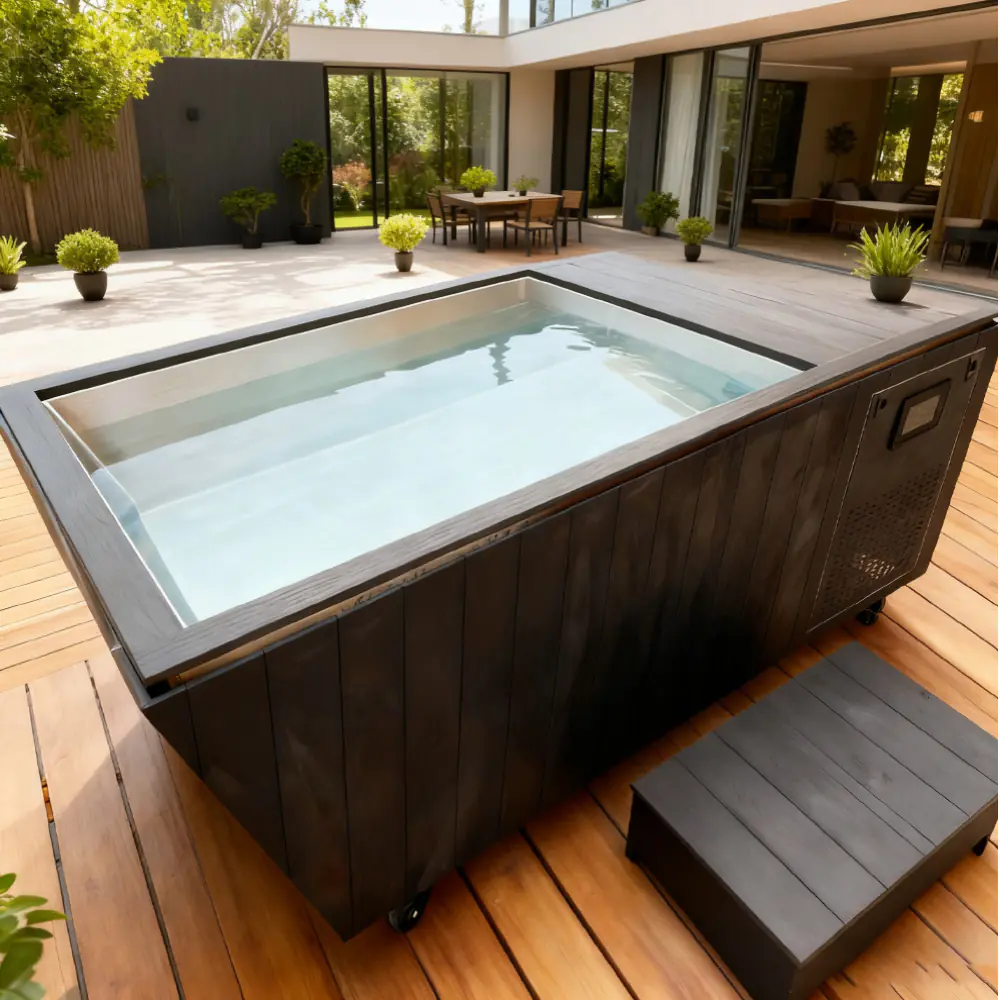
cold plunge therapy
How to Find and Control Your Ideal Temperature
Guessing is ineffective. For a true maximum-benefit practice, precision is key.
-
Use a Thermometer: A simple floating pool thermometer is an essential investment. Do not rely on feeling.
-
The Ice-to-Water Ratio: As a rough starting point, filling a standard tub with cold tap water and adding 1-2 bags of ice will typically bring the temperature into the low 50s°F (10-12°C). Always measure.
-
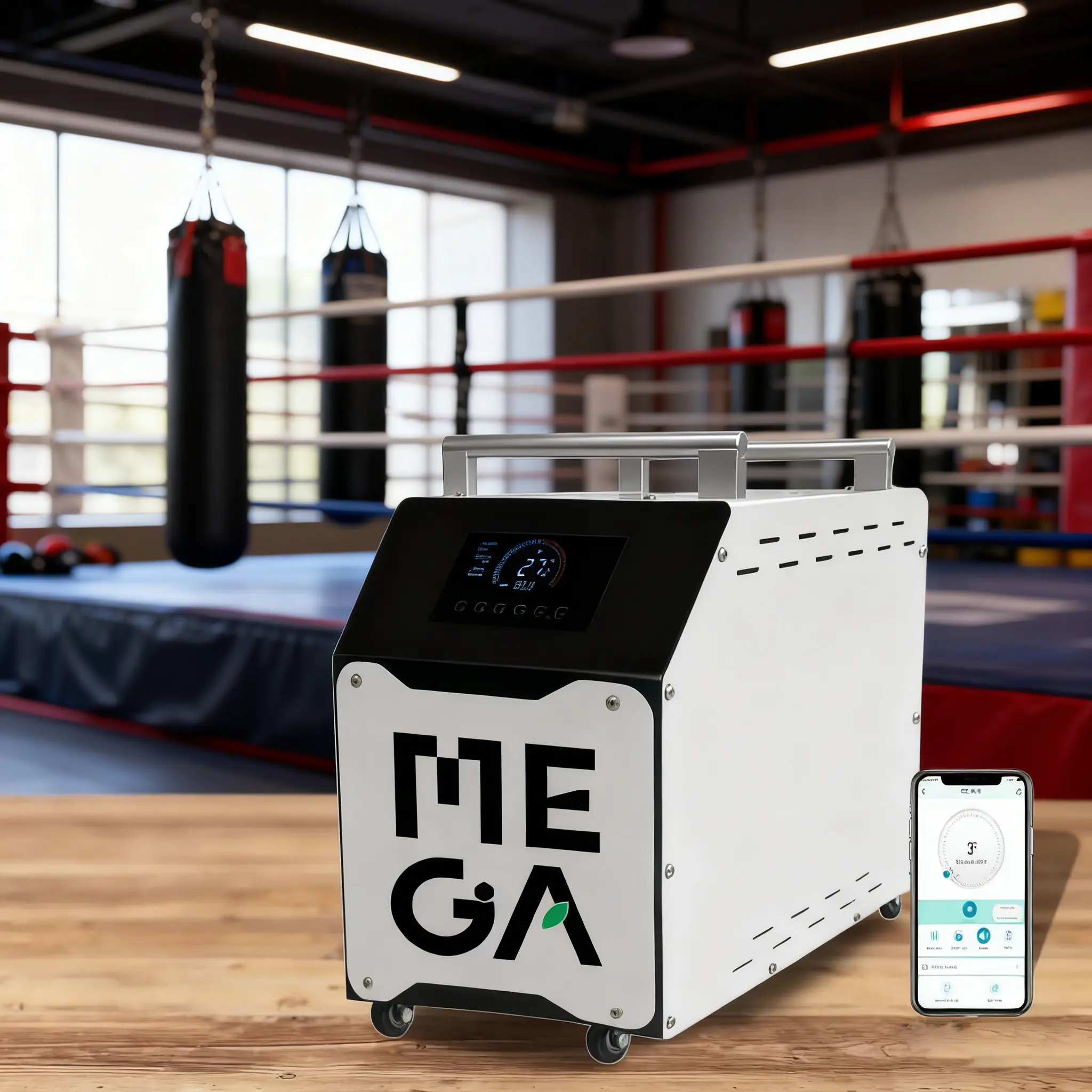
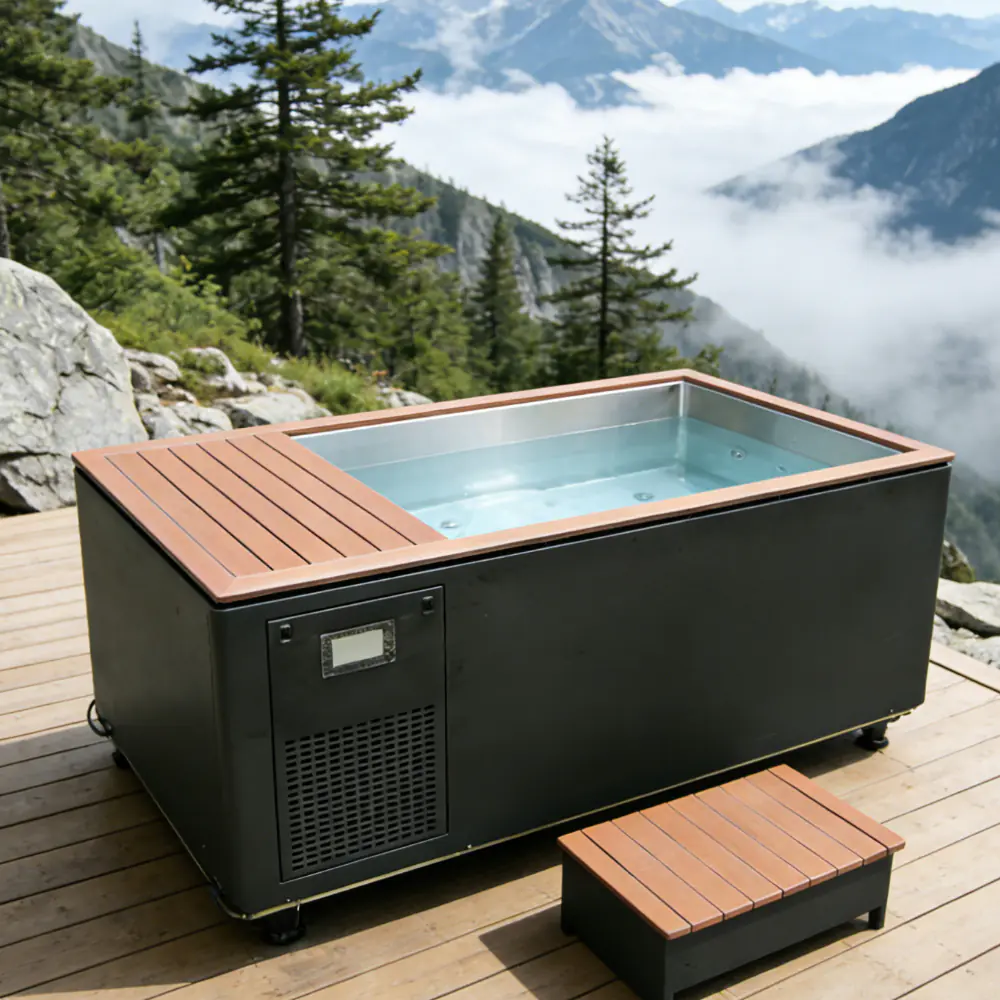
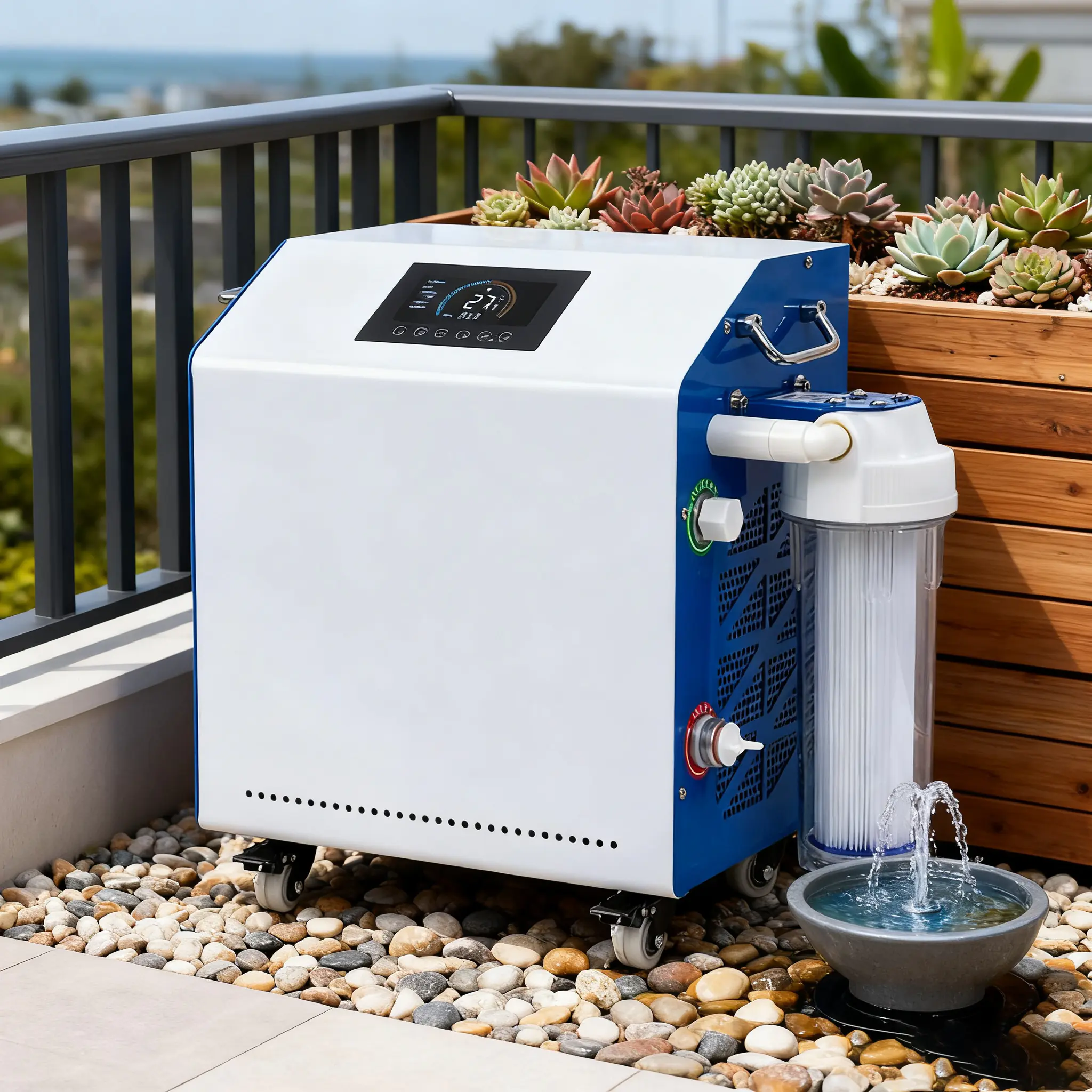
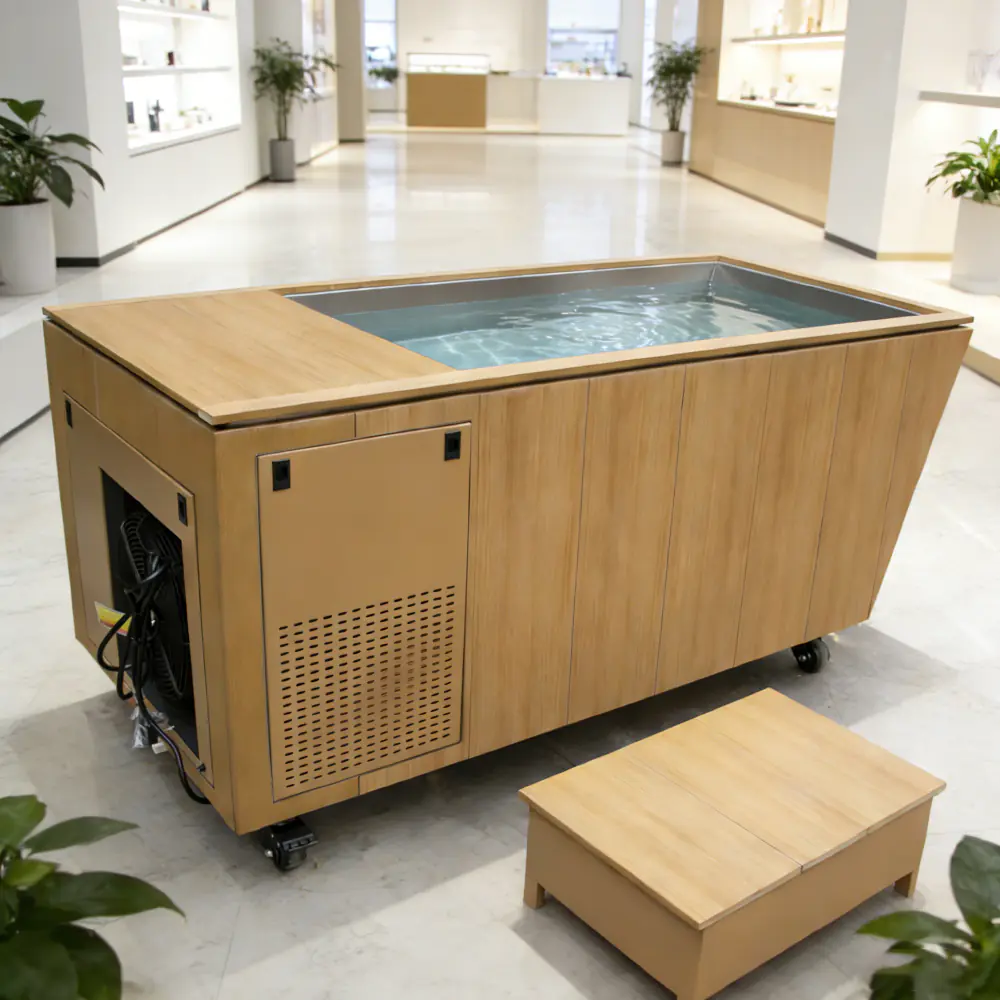
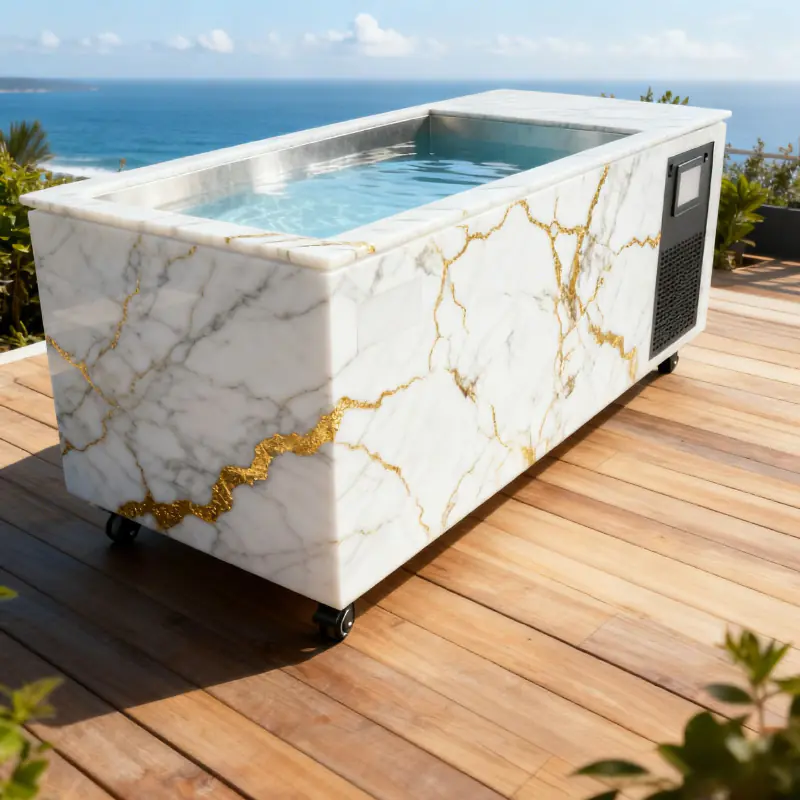
Consider a Plunge Chiller: For consistency and control, a dedicated plunge chiller is the ultimate tool. It allows you to set an exact temperature (e.g., 52°F) and maintain it year-round, turning your practice into a precise biohack.